

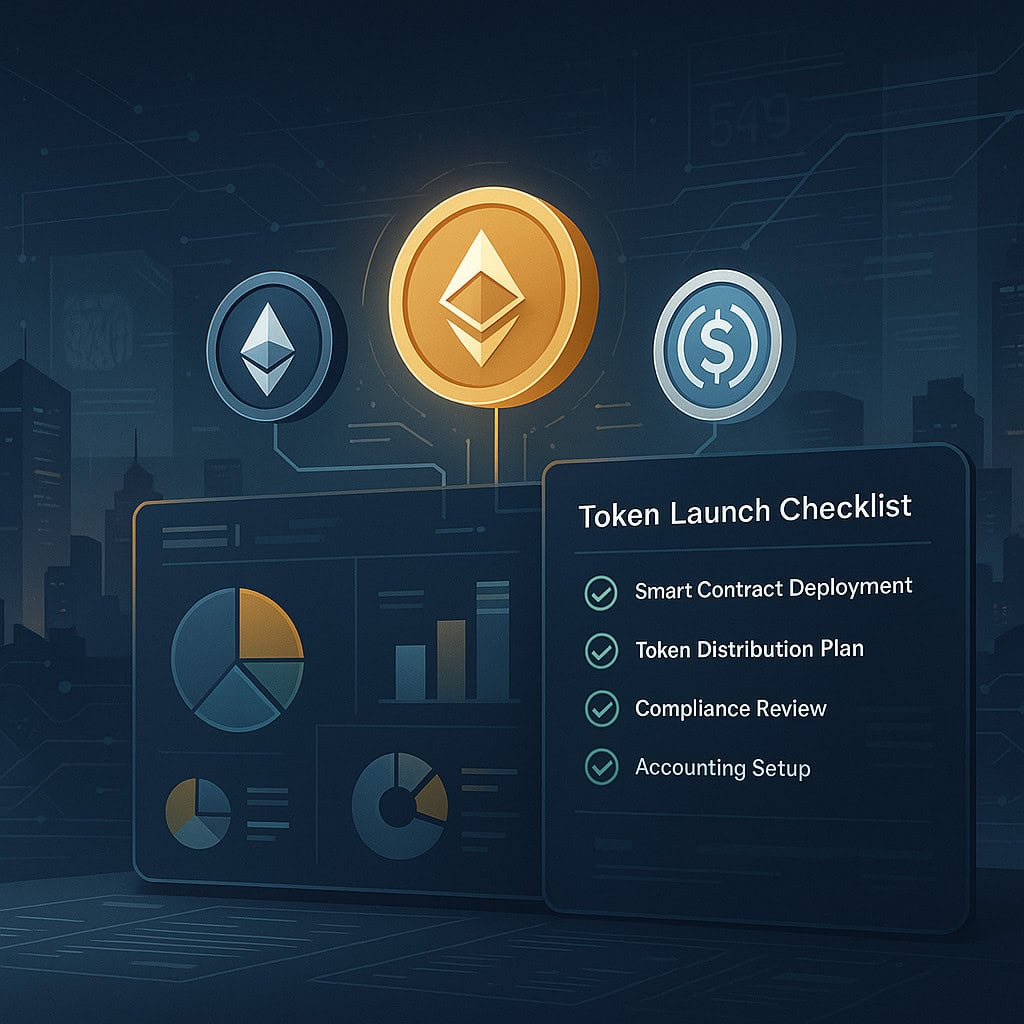
Decentralized finance architectures and blockchain-based assets present unprecedented operational opportunities, yet they simultaneously expose corporate entities and high-net-worth individuals to severe fiscal penalties. Regulatory bodies such as the Internal Revenue Service (IRS) and the European Securities and Markets Authority (ESMA) have intensified scrutiny on decentralized ledgers, turning unstructured transaction histories into immediate audit triggers. Consequently, mastering Web3 Financial Services and Crypto Tax Compliance: Reduce Risk is no longer an optional corporate exercise; it is an essential mandate for asset preservation.
When dealing with automated market makers, decentralized autonomous organizations (DAOs), and cross-chain liquidity pools, traditional accounting methods fail entirely. Therefore, organizations must adopt robust financial governance models to neutralize multi-jurisdictional tax liabilities and prevent catastrophic operational audits. Furthermore, failing to systematically track cost bases across fragmented networks can rapidly destroy profit margins and trigger aggressive asset freezes.
Key Takeaways
- Immutable Auditing: Blockchain transparency allows tax authorities to retroactively audit decentralized wallets with automated precision.
- Multi-Chain Complexity: Interoperable protocols require sophisticated ledger aggregation to accurately calculate capital gains and losses.
- Regulatory Convergence: Global frameworks like the CARF (Crypto-Asset Reporting Framework) mandate strict international data sharing for digital asset service providers.
- Proactive Mitigation: Implementing API-driven accounting engines significantly reduces administrative overhead and litigation exposure.
Executive Risk Assessment and Market Baseline
Navigating digital asset administration requires a clear understanding of current financial baselines and potential regulatory exposure. The following executive summary table outlines critical risk factors, prevailing industry costs, and corresponding return on investment (ROI) outcomes.
| Risk/Service Factor | Verified Market Baseline/Cost | ROI/Outcome Potential |
|---|---|---|
| Smart Contract Audit & Verification | $5,000 – $45,000 per protocol deployment | Prevents catastrophic exploits and protocol-level asset loss |
| Automated Crypto Tax Subledger Software | $1,000 – $10,000 annually per corporate entity | Saves hundreds of manual hours and eliminates calculation errors |
| Specialized CPA Advisory & Legal Defense | $300 – $850 per hourly retainer | Mitigates 95% of direct audit penalties and back-tax liabilities |
To successfully navigate these financial structures, decision-makers must evaluate core performance metrics before allocating capital. [Continue reading to see the fully tabulated cost breakdown and risk analysis…]
Top 3 Decision Factors for Asset Protection
- Granular Data Ingestion: The chosen financial architecture must ingest transaction data across EVM and non-EVM chains natively.
- Real-Time Liability Tracking: Dynamic dashboards must calculate realized and unrealized gains across decentralized pools instantly.
- Institutional Custody Integration: Multi-sig and hardware security modules must sync seamlessly with compliance reporting engines.
The Mechanics of Decentralized Financial Exposure
Decentralized finance platforms operate outside traditional banking hours and intermediated clearance houses. Consequently, every interaction—ranging from yield farming to flash loans—creates a taxable event under current regulatory guidelines. Furthermore, calculating the cost basis of tokens received via airdrops or liquidity mining rewards introduces immense accounting friction. Therefore, organizations must deploy specialized tracking frameworks to avoid misreporting gross income.
Tax authorities increasingly utilize advanced blockchain analytics tools to map pseudonymous wallet addresses to real-world identities. As a result, attempting to obscure transactional velocity or capital gains is statistically ineffective and legally hazardous. According to comprehensive reports by organizations like the Organisation for Economic Co-operation and Development (OECD), international data-sharing mandates will soon eliminate cross-border reporting blind spots entirely. Organizations must therefore embrace absolute financial transparency to survive regulatory evolution.
Strategic Frameworks for Mitigating Regulatory Liabilities
Implementing structured legal and financial workflows safeguards corporate treasuries from unexpected tax enforcement actions. The professional deep-dive table below outlines the necessary legal steps, compliance mandates, and strategic advantages for high-net-worth market participants.
| Legal/Financial Step | Industry Compliance Requirement | Strategic Advantage for the Client |
|---|---|---|
| Wallet Tagging and Entity Clustering | Separation of personal and corporate asset flows | Ensures clean audit trails and protects non-business capital |
| Cost Basis Harmonization (FIFO vs. HIFO) | Consistent application of chosen accounting methodology | Optimizes capital allocation and lowers immediate tax burden |
| Cross-Border Entity Structuring | Adherence to local substance and transfer pricing rules | Maximizes global tax efficiency and structural resilience |
In addition to these foundational steps, corporate treasuries must maintain continuous communication with regulatory policy updates. Leading publications such as Forbes Digital Assets frequently analyze how shifting judicial precedents impact digital asset taxation. Consequently, aligning internal accounting practices with external legal consensus remains the primary defense against administrative penalties.
Optimizing Operations Through Enterprise-Grade Tools
Modern enterprises cannot rely on manual spreadsheets to reconcile thousands of decentralized ledger interactions. Instead, deploying enterprise-grade API integrations between execution venues and tax subledgers is mandatory. Furthermore, continuous automated reconciliation uncovers hidden discrepancies before fiscal year-end reporting deadlines approach. As a result, accounting teams can shift their focus from reactive damage control to strategic growth optimization.
Moreover, selecting the appropriate service partner involves rigorous due diligence regarding data security and historical protocol support. Organizations should prioritize providers that offer immutable audit logs and dedicated legal support teams. Therefore, investing in top-tier compliance infrastructure yields substantial long-term dividends by eliminating costly audit defense retainers later.
Frequently Asked Questions
How do decentralized exchanges complicate traditional crypto tax reporting?
Decentralized exchanges operate without central intermediaries, executing trades via smart contracts across multiple liquidity pools. This creates complex multi-hop transactions, liquidity provider (LP) token distributions, and impermanent loss events that standard accounting software struggles to categorize without advanced API integrations.
What are the primary penalties for non-compliance with digital asset tax laws?
Non-compliance typically results in severe financial penalties, including retroactive back-taxes, statutory interest charges, and failure-to-file fines. In cases involving deliberate tax evasion or willful misreporting, regulatory bodies can pursue criminal prosecution and corporate asset seizure.
Which accounting methodology is preferred for digital asset portfolios?
The choice between FIFO (First-In, First-Out), LIFO (Last-In, First-Out), and HIFO (Highest-In, First-Out) depends on local jurisdictional rules and corporate goals. HIFO is frequently favored in volatile markets to minimize immediate tax liabilities, provided it complies with local regulatory guidelines.
How does the Crypto-Asset Reporting Framework (CARF) impact global entities?
CARF mandates automatic international tax information sharing between participating jurisdictions for digital asset service providers. This eliminates international reporting loopholes, requiring global Web3 organizations to standardize their compliance reporting across all operational regions.
Market Authority Verdict and Professional Guidance
Based on rigorous data analysis and evolving global regulatory standards, implementing professional Web3 financial services and automated compliance architecture is deemed a Must-Have for Professional Growth. Organizations attempting to navigate decentralized markets without robust compliance frameworks invite catastrophic financial and legal vulnerabilities.
Financial Pro Tip
Always integrate your multi-sig treasury wallets with automated subledger software at the exact moment of initial deployment. Retroactively reconciling multi-chain decentralized finance transactions after a fiscal year closes increases operational reconciliation costs by up to 300%.