


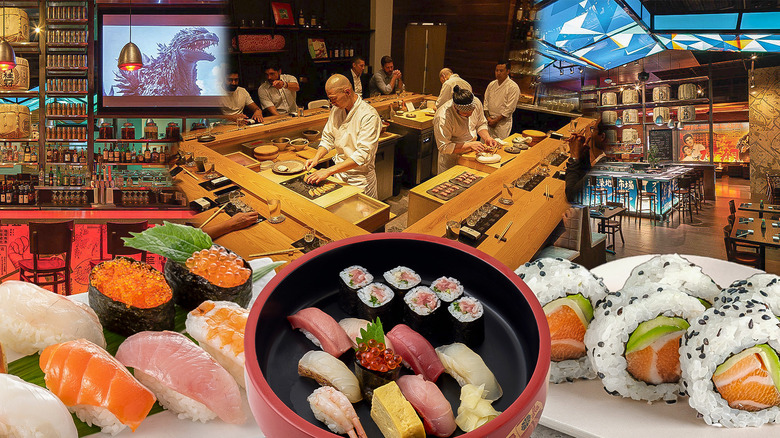
My personal journey to find the best Japanese food in New York began with a simple question: what makes an authentic experience? What I discovered is that the story of Japanese restaurants in New York is as complex and layered as a bowl of 24-hour tonkotsu ramen.
It’s a history that doesn’t just belong to Manhattan, but is deeply woven into the city’s cultural and even corporate DNA. My quest wasn’t just for a good meal; it was to understand the soul of this cuisine in the world’s greatest city.
Many people, myself included, assume the story of Japanese food in New York starts with sushi. But my deep dive into this culinary world taught me something fascinating.
The first Japanese restaurants to make a mark in the city, like Suehiro near Columbia University way back in 1958, didn’t even have sushi bars. Back then, they served things like sukiyaki cooked right at your table, delicate tempura, and savory teriyaki.
For most Americans at the time, sushi was a complete unknown, a strange and foreign concept.
The real shift, the one that built the foundation for the high-end scene we have today, wasn’t a grassroots food trend. It was a corporate one. My research showed me that in the postwar era, Japanese companies began expanding aggressively into the US, and they made New York City their headquarters.
This created a sudden, massive demand for upscale, authentic japanese restaurants in nyc. These Japanese executives needed places where they could entertain clients and, just as importantly, find a true taste of home.
This “corporate catalyst” is the reason the city is now a powerhouse for high-craft Japanese dining.
This history is what makes the Japanese restaurants in New York scene so special. Restaurants like Restaurant Nippon, which bravely opened its doors in 1963, were the true pioneers.
It was Restaurant Nippon that introduced the city’s very first sushi counter, a revolutionary act at the time. The market for Japanese food in New York was built from the top down, catering to a discerning Japanese expat community long before omakase became a trendy buzzword.
This respect for craft and quality is the DNA of the city’s Japanese dining scene.
This discovery set me on my quest. I wasn’t just looking for good japanese restaurants in nyc; I was looking for the soul of this history.
I wanted to find the spots that honor this legacy of craft while also pushing the boundaries of what Japanese food in New York can be. I set out to find five incredible must-try spots, my personal list of the best japanese restaurants in new york city.
This is the story of that adventure.
My 5-Stop Culinary Map to the Best Japanese Restaurants in New York
To find the top japanese restaurants in nyc, I knew I had to explore different boroughs and, more importantly, different styles of Japanese cuisine.
This wasn’t just a hunt for sushi; it was a journey through the culinary arts of Japan, all without leaving the five boroughs. I was looking for everything, from the perfect slice of fish to the deepest bowl of noodles.
Here is the map for the adventure that followed, a guide to five places that, in my opinion, represent the very best of Japanese restaurants in New York.
| Restaurant Name | Neighborhood | My “Must-Try” Experience |
|---|---|---|
| Hatsuhana | Midtown Manhattan | The Living Legend (Sushi) |
| Sakagura | Midtown Manhattan | The Hidden Jewel (Izakaya) |
| Ivan Ramen | Lower East Side | The Rebel’s Creation (Ramen) |
| Katsuno | Forest Hills, Queens | The Outer-Borough Gem (Kaiseki) |
| Sushi Nakazawa | West Village | The Jiro Apprentice (Omakase) |
1. Hatsuhana: A Taste of History in Midtown Manhattan
My journey for the best Japanese restaurants in New York had to begin in the heart of the city: Midtown. This is the historic center of Japanese dining in the city, the place where it all began.
I was looking for a benchmark, a classic, one of the truly great japanese restaurants in nyc that has stood the test of time. All roads, and every recommendation from people who truly know food, led me to Hatsuhana.
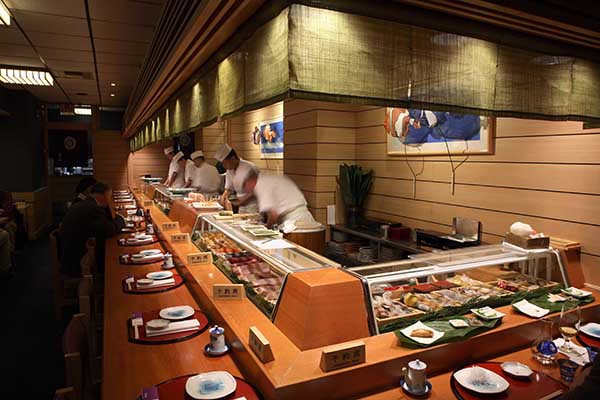
This is a true japanese restaurant in midtown new york, an icon that has been serving unsurpassed sushi and sashimi since 1976. Walking in, I immediately felt its history.
The ambiance isn’t flashy, trendy, or modern. It feels professional, reliable, and deeply authoritative. The room was buzzing with corporate business lunches and, as I saw, generations of regulars who clearly knew the staff by name.
This is a place built on decades of “Trustworthiness.” The service was exactly as my research suggested: polite, incredibly efficient, and “correct,” rather than overly warm. They know you are here for one thing: the food.
And the food is spectacular. This is not a place for fusion rolls; it is a temple to traditional, authentic Edomae craftsmanship. I ordered the famed “Box of Dreams.”
When it arrived, it was exactly that: nine perfect, colorful squares of sushi rice, each topped with an exclusive, artful gem. It was a stunning display.
I can still recall the flavors: the seared, marinated King Salmon with a bright scallion sauce; the delicate, chopped freshwater eel balanced with creamy avocado and crunchy tempura flakes; the sweet, firm sea scallop brushed with a yuzu citron pepper sauce.
Each bite was a perfectly composed masterpiece. This wasn’t just a meal; it was like eating a piece of New York culinary history.
This sense of history is what makes Hatsuhana one of the most authentic japanese restaurants in nyc. It was, famously, the very first Japanese restaurant to earn a coveted three-star review from the New York Times.
It was founded with a singular, focused desire: to introduce New Yorkers to the highest level of sushi. Decades later, it still stands as one of the best japanese restaurants in midtown manhattan, a living legend that has trained generations of other sushi chefs across the city.
My Insider Tips & Final Verdict on Hatsuhana:
If you plan to visit this essential japanese restaurant in midtown manhattan, I have two crucial tips. First, make a reservation.
Reservations are available up to 30 days in advance, and you must ask for one of the coveted spots at the sushi bar. Watching the chefs work with their quiet, practiced precision is a huge part of the experience.
Second, the lunch service is legendary. It offers one of the best values for high-end, classic sushi in the entire city, making it a favorite of in-the-know locals.
My Verdict: Hatsuhana is a living legend and a personal favorite. It’s the perfect spot for an authentic, high-quality, and no-fuss sushi experience.
It’s not trying to be trendy; it’s focused on honoring the deep traditions of its craft. It remains one of the truly good japanese restaurants in nyc and a benchmark for all sushi restaurants in new york.
2. Sakagura: Finding the Hidden Izakaya Jewel
After finding the benchmark, my next stop was for something completely different. I was in search of a vibe, an adventure.
I’d heard whispers of a place you couldn’t just find, a “hidden jewel”. This is the story of how I found Sakagura, a japanese restaurant in midtown new york that is quite literally hidden in the basement of a nondescript office building.
The adventure of finding it is half the fun and a masterclass in suspense. I walked into a sterile, marble office lobby on East 43rd Street, feeling like I was in the wrong place.
I walked past a stern security desk, down a plain corporate hallway, and found a set of stairs. I went down to the basement, walked down another quiet hall, and opened an unassuming door.
The sensory shift was immediate and breathtaking. I was instantly transported out of Midtown and into a cozy, subterranean Tokyo village.
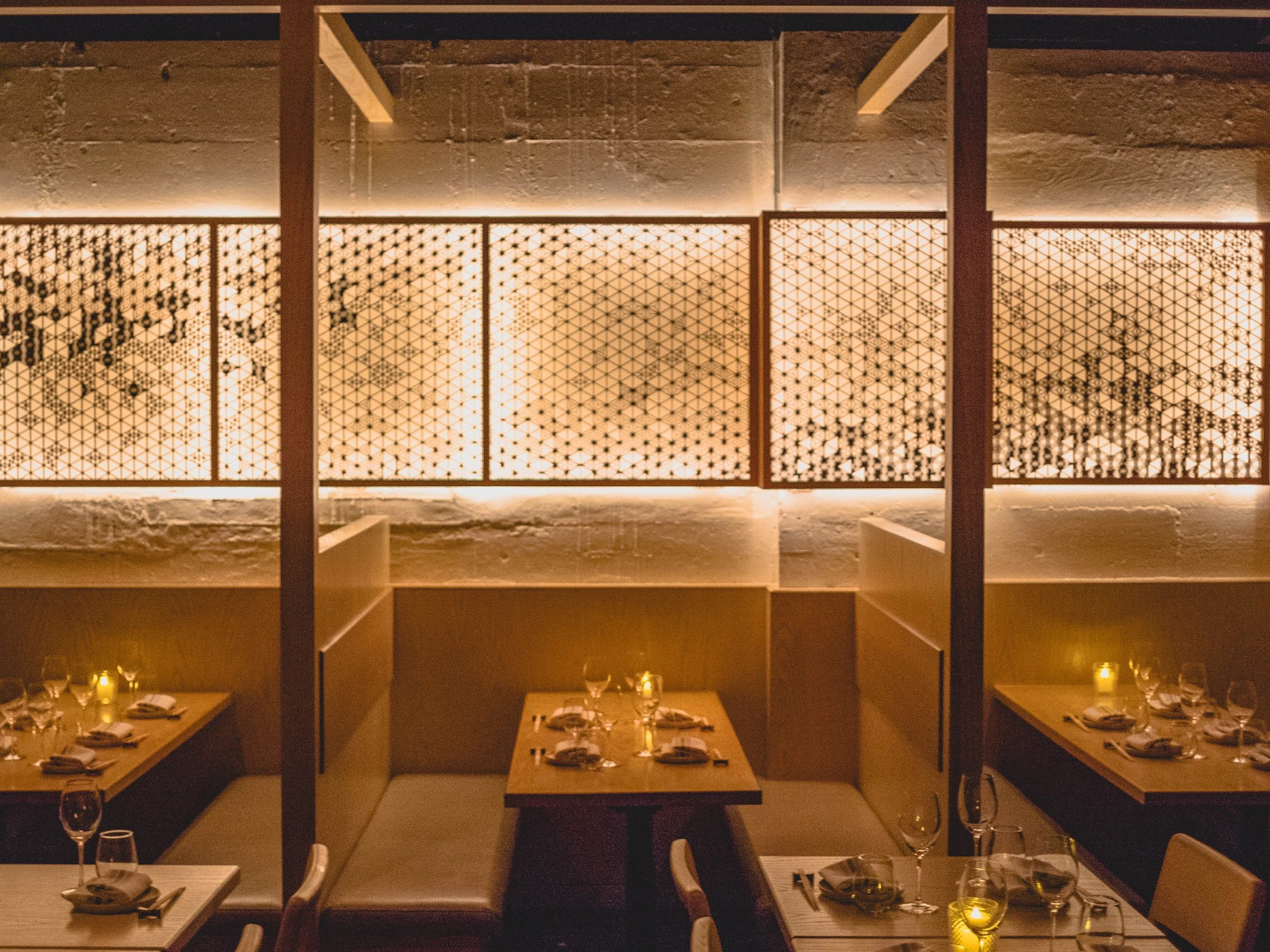
The air smelled of bamboo and sake. The decor is all low light, wood, and rice paper dividers. They’ve even built interior facades to look like traditional houses, complete with windows and little roofs.
Being “hidden” is a powerful signal of authenticity. It implies the restaurant is for those “in the know”, a true secret for the city’s food lovers. It’s one of the most authentic japanese restaurants in nyc precisely because it’s so hard to find.
This is an izakaya, a traditional Japanese pub where the food is designed to accompany drinks. I was handed the sake menu, and it was not a menu—it was a book.
Sakagura is the largest sake bar in NYC, boasting over 260 varieties. It was overwhelming. I did what my research suggested and simply asked my server for a recommendation.
They were incredibly helpful, guiding me to a beautiful sake flight and explaining the flavor profile of each one with genuine passion. This is a place that pioneered sake culture in New York, and they take it seriously.
To pair with the sake, I ordered the signature dish: Buta Kakuni, the famous braised pork belly, which my menu check confirmed was $23. It arrived glistening and impossibly tender, a luscious, melt-in-your-mouth bite that was rich, savory, and sweet.
It was pure comfort. I didn’t stop there. I also tried the delicate Washu Beef Tataki and a stunningly fresh sashimi assortment.
The menu is huge, filled with small plates perfect for sharing. This is easily one of the top japanese restaurants in midtown manhattan for an entire evening.
My Insider Tips & Final Verdict on Sakagura:
This is one of the best Japanese restaurants in Manhattan for a date or a long, lingering evening with a small group of friends. It is not a place for a quick meal; it’s an experience to be savored.
Understanding the culture of an izakaya is key: you order drinks, then some food, then more drinks, and just let the night unfold. Reservations are an absolute must, as this “hidden jewel” is one of the worst-kept secrets among foodies.
My Verdict: Sakagura is an essential New York adventure. Finding this hidden world is a rite of passage for anyone who loves Japanese food in New York.
It’s one of the great japanese restaurants in nyc that feels like a shared secret, and it’s an experience I’ll never forget. It’s one of the japanese restaurants in midtown manhattan that I tell everyone about.

3. Ivan Ramen: The ‘Gaijin’ Master of the Lower East Side
My quest for the best Japanese food in New York would be incomplete without a truly life-changing bowl of ramen. But I didn’t want just any bowl.
I wanted the one with the most passion, the most heart, and the most incredible story. I headed to the Lower East Side to find the “gaijin” (foreigner) who went to Tokyo and became a ramen legend: Ivan Orkin.
Ivan’s story is pure E-E-A-T (Experience, Expertise, Authoritativeness, Trustworthiness). He is not just an American who decided to open a ramen shop.
He is a self-described “Japanophile” from Long Island, a graduate of the prestigious Culinary Institute of America, who cooked in fine-dining kitchens like Mesa Grill and Lutece.
He moved to Japan with his family and, at his wife’s urging, decided to open a ramen shop. In a country where ramen is a cult, this move was seen as “destined for failure”.
But he didn’t fail. He succeeded spectacularly, becoming one of the top-rated ramen shops in all of Tokyo—an unheard-of accomplishment for a foreigner.
He became a sensation in Japan first, mastering his craft there before ever opening a shop in his hometown of New York. His fame was cemented globally when he was featured on the Netflix series Chef’s Table, where his passion and obsession were clear to see.
His Clinton Street location is the polar opposite of Hatsuhana’s quiet reverence. It’s funky, buzzing, and loud in the best way.
The walls are covered in awesome, custom comic-strip art depicting happy patrons slurping noodles. The atmosphere is relaxed, exciting, and full of energy.
This isn’t a “traditional” Japanese restaurant; it’s “uniquely ‘Ivan'”. It’s a perfect blend of Tokyo technique and New York attitude.
I ordered his signature Tokyo Shio Ramen, which my menu check confirmed was $20. It was a revelation.
The broth is light and clear, a delicate, salty blend of dashi and chicken stock, but it has an intense, complex umami flavor that hits you right away.
The noodles, which Ivan famously makes with rye, are “pleasantly chewy” and hold the broth perfectly. The bowl is finished with a tender slice of pork chashu and a perfect, “jammy” soft-boiled egg.
It’s a masterful bowl. I also have to mention the famous Triple Pork Triple Garlic Mazemen, a “dry” ramen (more sauce than broth) that is a powerhouse of flavor and one of the most original bowls in the city.
My Insider Tips & Final Verdict on Ivan Ramen:
The restaurant is tiny and gets very crowded. Do yourself a favor and make a reservation.
They are one of the few top-tier ramen shops that take them. Also, don’t sleep on the appetizers.
The NYC Pastrami Buns are a brilliant, delicious nod to his “gaijin” background and the restaurant’s Lower East Side home. It’s a smart, fun, and delicious bite that perfectly captures his unique culinary point of view.
My Verdict: Ivan Ramen is one of the most incredible must-try spots in all of New York. It’s a perfect fusion of deep Japanese technique and pure New York heart.
It’s easily one of the good japanese restaurants in nyc for a fun, soulful, and delicious meal. It’s a must-visit for anyone who loves Japanese food in New York.
A Deeper Look: Comparing Vibe & Cost at Top Japanese Restaurants in NYC
My journey so far—from Midtown’s classic sushi to its hidden izakaya and the LES’s rebel ramen—showed me that the best japanese restaurants in new york city are defined by their unique vibe and, of course, their cost.
No two experiences were the same, and that’s what makes the Japanese dining scene in New York so special. You can find world-class quality in a formal dining room or a funky, loud noodle shop.
Here’s a simple breakdown of the atmosphere and what I paid at all five spots on my list.
| Restaurant | Ambiance & Vibe | My Estimated Cost (Per Person) |
|---|---|---|
| Hatsuhana | Professional, Classic, Reliable | $60 – $90 |
| Sakagura | Hidden, Cozy, Authentic Izakaya | $70 – $110 |
| Ivan Ramen | Funky, Loud, Modern | $30 – $50 |
| Katsuno | Quiet, Refined, Intimate | $90 – $130 |
| Sushi Nakazawa | Elegant, Modern, Reverent | $160 – $190+ |

4. Katsuno: The Authentic Japanese Restaurant in Queens Worth the Journey
No true hunt for the best Japanese restaurants in New York can be complete by only staying in Manhattan. The city’s real culinary diversity lives in the outer boroughs, so I was on a mission to find the best japanese restaurants in queens.
This borough is a melting pot of cultures, but my research kept pointing me to one specific “hidden gem” in Forest Hills: a place called Katsuno.
This spot is the absolute definition of “Expertise” and “Authoritativeness.” I was fascinated by the story of its chef-owner, Katsuyuki Seo.
This is not just a great neighborhood chef; he’s a world-class master. He ran the acclaimed “Restaurant SEO” in Midtown for years, a spot that was a favorite among Japanese expats.
He won the National Culinary Excellence Medallion in 2002 and was recommended in the inaugural Michelin Guide for New York City back in 2006. This is a chef with serious credentials.
He chose to close his successful Midtown spot to open Katsuno in Forest Hills, the neighborhood he calls home. This isn’t just a local spot; it’s a globally recognized chef choosing to cook for his own community.
That story alone makes it one of the most authentic japanese restaurants in nyc. He brought his “Manhattan-level” fine-dining experience to Queens, without any of the pretense.
When I arrived, I found the space just as my research described it. It’s not about “Zen decor” or “trickling waterfalls”.
The room is simple, refined, intimate, and quiet. Some might even say the lighting is harsh. But it’s clear that the focus is 100% on the food and the craft.
You feel the chef’s personal “mastery of taste” in every single bite. This is a place for people who truly love food.
The cuisine is refined, authentic Japanese kaiseki, a traditional multi-course meal, but you can also order a la carte. I ordered the Nigiri Sushi sampler, which my menu research showed was $43 for an 8-piece chef’s selection.
The fish was pristine, delicate, and expertly prepared, with some cuts flown in directly from Japan. But the real magic is in the kitchen menu.
I also ordered the Grilled Black Cod ($26), which was marinated in Kyoto miso and cooked to flaky, buttery perfection. It was one of the best cooked-fish dishes I have ever had.
My Insider Tips & Final Verdict on Katsuno:
This is a small, personal restaurant that operates by reservation only. You absolutely must book in advance.
When you go, do not just order sushi. You are in the hands of a master of Japanese cuisine, so I highly recommend exploring the kitchen’s cooked dishes.
This is where Chef Seo’s mastery truly shines. This is, without a doubt, one of the top japanese restaurants in nyc, and it just happens to be one of the best japanese restaurants in queens.
My Verdict: Katsuno is a true hidden gem. It provides a world-class fine-dining experience without any of the noise or pretension of many japanese restaurants in manhattan.
It is more than worth the subway ride. It’s a destination restaurant and a powerful reminder that the best japanese restaurants in new york city are found in all corners of the city.

5. Sushi Nakazawa: The Omakase That Started with a Dream
This was it. The final stop on my journey. The pilgrimage.
I had to experience the omakase that truly changed the game for sushi restaurants in new york. This is the story of Chef Daisuke Nakazawa, the famous apprentice from the 2011 documentary Jiro Dreams of Sushi.
The “Jiro Effect” is a real phenomenon. That film educated an entire generation of American diners on what high-end, Edomae-style sushi should be.
It taught us about the craft, the reverence, the omakase (“I’ll leave it up to you”) concept, and the decade-long apprenticeships. We all watched as Nakazawa, the earnest apprentice, cried on camera after he finally perfected the impossibly difficult tamago (egg custard) after months and months of trying.
His passion was unforgettable.
When Chef Nakazawa was brought from Seattle to New York to open his own restaurant, he wasn’t just another chef. He was the fulfillment of a “cinematic dream” for thousands of foodies.
The restaurant was an instant sensation, earning a rare and coveted four-star review from the New York Times. It became one of the top omakase nyc reviews overnight.
I went to the West Village location. The ambiance is modern, elegant, and sleek, with a “New York feel”.
The room is all clean white tiles and slick black leather furniture. It feels less like a traditional restaurant and more like a stage.
Sitting at the sushi counter is the only way to do it. The atmosphere is reverent but, surprisingly, fun.
Chef Nakazawa is the opposite of the stern Jiro; he is interactive, smiling, and jokes with the guests. He creates a fun, engaging atmosphere while maintaining an absolute focus on the food.
The omakase is a 20-piece nigiri-only journey. My research described it as a “2-hour blur of heavenly bliss,” and that’s exactly what it was.
Each piece is a new texture and taste, presented one by one. I’ll never forget the “transcendent” live scallop, so fresh it practically danced.
I still dream about the progression of tuna, starting with firm, lean akami and building to a “melt-in-your-mouth toro” that was pure luxury.
And then, the climax of the meal: the tamago. It arrived as the final bite.
It was nothing like any tamago I’d ever had. It was not dense or rubbery.
It was a light, delicate, sweet, custardy cloud. It was, in a word, “Absolute perfection”. I finally understood why he cried.
My Insider Tips & Final Verdict on Sushi Nakazawa:
Getting a reservation is notoriously difficult, but here is the secret: reservations are released on Resy exactly 14 days in advance, at 12:00 PM EST. You must be on the app at that precise moment.
My research and experience confirm the Sushi Counter ($190) is absolutely worth the extra $30 over the Dining Room ($160). The experience of interacting with the chef, watching the craft up close, is the whole point.
This is not a meal you rush.
My Verdict: This is one of the best japanese restaurants in new york city. It is more than a meal; it’s a defining culinary story and one of the best sushi restaurants in new york.
An unforgettable experience from start to finish. It’s one of the Japanese restaurants in Manhattan that you will talk about for years to come.
My Final Verdict: What Makes Japanese Food in New York Unique?
My culinary journey was complete. My search for Japanese restaurants in New York had taken me from a 1970s benchmark (Hatsuhana) to a hidden sake village (Sakagura), from a gaijin rebel’s passionate ramen shop (Ivan Ramen) to a master’s quiet gem in Queens (Katsuno), and peaked with a legendary omakase (Sushi Nakazawa).
What makes the Japanese restaurants in New York scene so unique is this incredible diversity. It’s a city that has the highest respect for deep, authentic tradition while simultaneously celebrating passionate, personal interpretation.
It is a city of world-class sushi restaurants in new york, but as my journey proved, it is also so, so much more. It’s a city where you can find authentic izakayas, soulful ramen, and refined kaiseki, all at the highest level.
The great japanese restaurants in nyc are not always the flashiest. They are often run by masters who have dedicated their lives to their craft.
Finding these authentic global businesses isn’t easy. It takes research, passion, and a guide you can trust.
In a world full of options, trying to find a great “near japanese restaurant” on your phone can be overwhelming. That’s why platforms like Market Promoter are so valuable.
As a global business directory, they focus on connecting people to authentic products and businesses from every corner of the globe. They help you find the “hidden gems” on Google Maps, whether it’s one of the top japanese restaurants in nyc or a local craftsman, helping you start your own journey of discovery.
My adventure taught me that the best japanese restaurants in new york city are more than just places to eat. They are stories of history, passion, and the relentless pursuit of perfection.
From the japanese restaurants in midtown manhattan to the hidden corners of japanese restaurants in queens, this city offers a lifetime of culinary exploration.
