


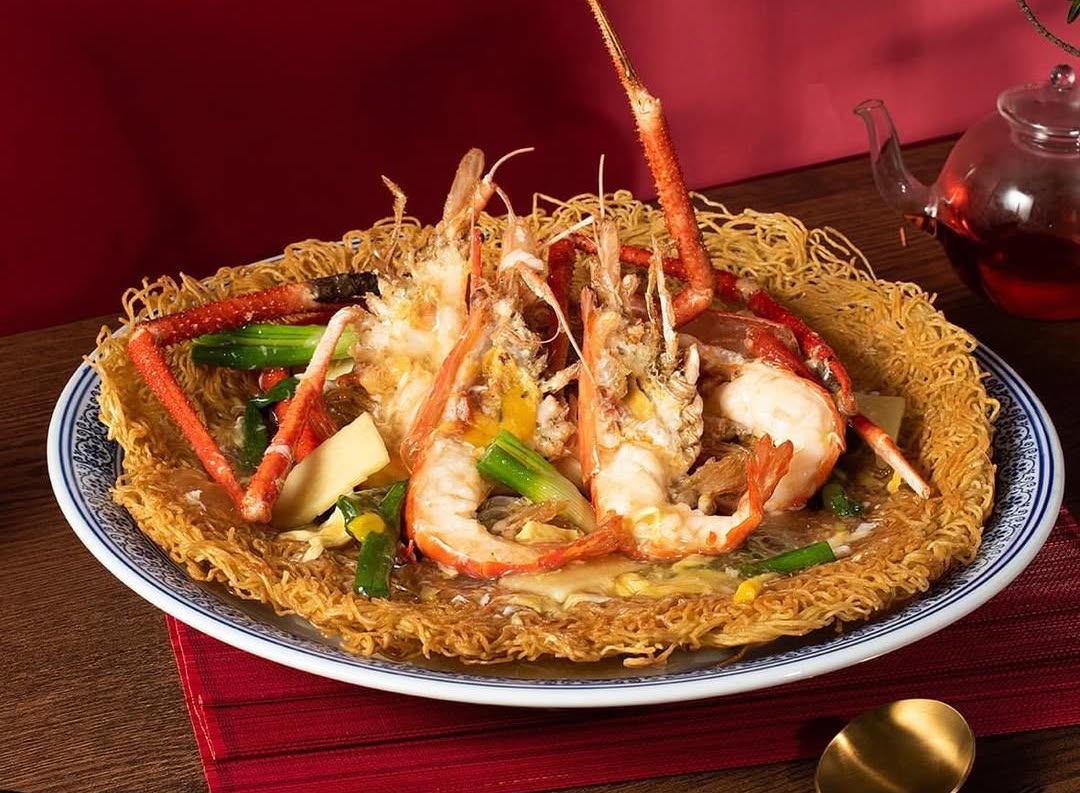
Wang Chinese Restaurant: 6 Top-Tier Choices That Will Ignite Your Taste Buds
As you step into Wang Chinese Restaurant, you’re not just entering a dining establishment—you’re embarking on a culinary journey that celebrates the rich tapestry of Chinese cuisine. Each dish here is a story, woven with history, tradition, and vibrant flavors that dance on your palate. From the moment you experience the boldness of Kung Pao Chicken to the elegance of Peking Duck, you’ll understand why this restaurant is a beloved gem in the community.
With a history steeped in authenticity, Wang’s dedication to quality and flavor makes it a standout choice for anyone craving a genuine taste of China.
The Essence of Chinese Cuisine at Wang Chinese Restaurant
Wang Chinese Restaurant presents a curated selection of six distinguished dishes that exemplify the essence of Chinese cuisine. Each option is not only a feast for the senses but also a testament to the meticulous preparation that goes into every plate.
Let’s explore these top-tier choices that promise to elevate your dining experience.
- Kung Pao Chicken: This iconic dish is a vibrant blend of chicken, peanuts, and vegetables, all tossed in a spicy, tangy sauce. The bold flavors and delightful crunch make it a must-try for spice lovers.
- Peking Duck: Renowned for its crispy skin and tender meat, this dish is a celebration of Chinese culinary artistry. Served with pancakes and hoisin sauce, it’s a dish that brings people together.
- Mapo Tofu: A staple from Sichuan cuisine, this dish features silky tofu in a spicy, aromatic sauce. The balance of heat and creaminess creates a symphony of flavors that dance on your tongue.
- Sweet and Sour Pork: This dish offers a delightful contrast of flavors, featuring tender pork in a tangy sauce, complemented by crispy vegetables. It’s a nostalgic favorite that never disappoints.
- Beef Chow Fun: A stir-fried noodle dish that brings together tender beef, flat rice noodles, and fresh vegetables, all wok-tossed to perfection. Each bite is a comforting embrace of flavor.
- Szechuan Shrimp: For seafood lovers, this dish is a spicy delight! Featuring succulent shrimp in a bold Szechuan sauce, it’s a perfect balance of heat and freshness.
Each of these dishes at Wang Chinese Restaurant invites diners to explore deeper connections to tradition and culture. The passion for authentic flavors combined with a welcoming atmosphere makes this restaurant a standout choice for anyone eager to discover the best of Chinese cuisine.
So the next time you find yourself craving a culinary adventure, make your way to Wang Chinese Restaurant. You’ll not only enjoy a meal but also experience the heart and soul that goes into every dish.
It’s a dining experience that promises to leave a lasting impression and a yearning to return for more.
Key Takeaways
Wang Chinese Restaurant: 6 Top-Tier Choices
Embark on a Culinary Adventure
From the moment you step into Wang Chinese Restaurant, you’re greeted by the tantalizing aromas that transport you straight to the heart of China. Each dish tells a story, weaving together history and flavors that have been passed down through generations. The rich culinary traditions of China are celebrated here, where every bite offers a glimpse into the diverse regions and their unique tastes. Wang Chinese Restaurant isn’t just a place to eat; it’s a journey through the vibrant world of Chinese cuisine, brimming with culture, passion, and unforgettable flavors.
Top-Tier Choices at Wang Chinese Restaurant
Kung Pao Chicken: This dish is a true classic, and for good reason. Combining sweet, spicy, and savory elements, it highlights the essence of traditional Sichuan flavors. Every piece of chicken is perfectly cooked, and the crunchy peanuts add an irresistible texture. It’s a must-try for anyone wanting to experience a delightful dance of flavors that will leave your taste buds singing.
Peking Duck: Renowned throughout the world, the Peking Duck at Wang’s is a culinary masterpiece. The dish is celebrated for its perfectly crispy skin and tender meat, creating an exquisite contrast in textures. Served alongside delicate pancakes and hoisin sauce, this dish offers an authentic dining experience that transports you right to the bustling streets of Beijing. One bite, and you’ll understand why this dish has captivated diners for centuries.
Mapo Tofu: If you’re in search of bold flavors, look no further than Mapo Tofu. This signature Sichuan dish is a harmonious blend of heat and umami, featuring silky tofu that melts in your mouth. The sauce is rich and spicy, a perfect pairing for steamed rice. Whether you’re a spice lover or just curious about Sichuan cuisine, Mapo Tofu is a dish that promises to ignite your palate.
Signature Sauces: One of the standout features of Wang Chinese Restaurant is their house-made sauces. Each sauce is crafted with care, designed to enhance the flavor profiles of various dishes. From tangy to sweet, these sauces elevate your dining experience, inviting you to explore the depth of flavors that Chinese cuisine has to offer. Don’t hesitate to ask your server for recommendations — they’ll guide you through this delectable journey.
Dining Atmosphere: The ambiance at Wang Chinese Restaurant is truly welcoming. Adorned with elements that reflect Chinese cultural heritage, the setting is perfect for family gatherings, celebrations, or a casual night out. The warm lighting and thoughtful decorations create an atmosphere where you can relax and enjoy your meal, making it an ideal spot for creating cherished memories with loved ones.
In conclusion, Wang Chinese Restaurant is more than just a place to satisfy your hunger; it’s an experience that immerses you in the rich tapestry of Chinese cuisine. Each dish tells a story, and every visit promises a new adventure. Don’t miss your chance to explore these top-tier choices — your taste buds will thank you.
Kung Pao Chicken
Kung Pao Chicken: A Flavorful Journey Through Chinese Cuisine
Delve into the vibrant world of Kung Pao Chicken, a dish that tantalizes the palate and ignites the senses. This culinary gem isn’t just a meal; it’s an experience that brings together the fiery essence of Sichuan cuisine and the comforting familiarity of tender chicken. Originating from the Sichuan province, Kung Pao Chicken has become a beloved staple far beyond its borders, charming food enthusiasts with its delightful combination of sweet, spicy, and savory elements. Join me as we explore the rich history, key ingredients, and the artistry behind this iconic dish.
The Rich History of Kung Pao Chicken
Kung Pao Chicken, or “Gong Bao Ji Ding” in Mandarin, traces its roots back to the late Qing Dynasty. Its name pays homage to Ding Baozhen, a governor of Sichuan who was known as “Kung Pao,” meaning “palace guardian.” The dish was originally prepared with diced chicken, peanuts, and vegetables stir-fried in a spicy sauce, a recipe that evolved over time to incorporate various regional flavors. Today, it stands as a testament to the culinary traditions of China, celebrated in homes and restaurants alike.
The Art of Balancing Flavors
At the heart of Kung Pao Chicken lies an extraordinary balance of flavors. The heat from Sichuan peppercorns dances with the sweetness of hoisin sauce, creating an explosion of taste that is both exciting and comforting. Each bite offers tender chunks of chicken, perfectly cooked to retain juiciness, complemented by a medley of fresh vegetables. The addition of roasted peanuts adds a delightful crunch, enhancing the overall texture of the dish.
Fresh Ingredients Make All the Difference
The freshness of ingredients plays a crucial role in elevating Kung Pao Chicken. Vibrant bell peppers and crisp scallions not only enhance the dish’s visual appeal but also provide a refreshing contrast to the rich, savory sauce. When preparing this dish, sourcing high-quality ingredients ensures a more authentic and enjoyable dining experience, similar to how Japanese restaurants in Houston embrace locally sourced ingredients.
Preparing Your Own Kung Pao Chicken
If you’re eager to bring the flavors of Kung Pao Chicken into your kitchen, it’s easier than you might think. Start by marinating your chicken in soy sauce, rice wine, and cornstarch to infuse flavor and tenderness. Stir-frying the chicken alongside garlic, ginger, and dried chilies creates a fragrant base, while adding vegetables like bell peppers and zucchini adds color and nutrition. Finally, toss in roasted peanuts and a homemade sauce of soy sauce, hoisin, and a touch of sugar to achieve that signature taste.
Embrace the Culinary Artistry
As you savor each mouthful of Kung Pao Chicken, take a moment to appreciate the culinary artistry that brings this dish to life. It’s not just a meal; it’s a celebration of flavors and a testament to the rich history of Chinese cuisine. The harmonious blend of ingredients showcases the balance that defines Kung Pao Chicken, making it both satisfying and invigorating.
In conclusion, Kung Pao Chicken is more than just a dish; it’s a cultural experience that invites you to explore the depths of Chinese culinary traditions. Whether you enjoy it at a local restaurant or make it at home, this beloved dish promises to delight your taste buds and warm your heart, one bite at a time. So, gather your ingredients and embark on your own flavorful journey today!
</ul
Peking Duck
Peking Duck: A Culinary Masterpiece of Chinese Cuisine
Few dishes evoke the essence of Chinese culinary artistry quite like Peking Duck. This iconic dish is not merely a meal; it’s a celebration of tradition, technique, and flavor that takes diners on an unforgettable journey. With its origins dating back to the Imperial era, Peking Duck has transformed from a royal delicacy to a beloved staple, captivating taste buds around the world. The meticulous preparation involved in achieving that perfect balance of crispy skin and tender meat is a testament to the rich history and culture behind this gastronomic gem.
The Art of Peking Duck: An Intricate Process
Peking Duck, a hallmark of Chinese cuisine, is renowned for its meticulous preparation method, which involves air-drying the duck before roasting to achieve a crisp skin. This traditional technique not only enhances the visual appeal but also contributes to a complex flavor profile, characterized by a rich, savory taste complemented by hints of sweetness from the glazing. As diners savor each bite, the interplay between the succulent meat and the crackling skin creates a memorable culinary experience that embodies the essence of Chinese gastronomy.
Historical Roots of Peking Duck
The history of Peking Duck can be traced back to the Yuan Dynasty (1271-1368), where it was first served to emperors in the Imperial courts. This dish has evolved over centuries, gaining prominence in Beijing during the Ming Dynasty (1368-1644), where it became a culinary sensation among the elite. The preparation of Peking Duck was elevated to an art form, with chefs dedicating years to mastering the roasting techniques that would yield the perfect duck. Today, it remains a symbol of Chinese culture and hospitality, often featured in celebrations and gatherings.
How Peking Duck is Made
- Selection of the Duck: The journey begins with choosing the right duck breed, typically the Pekin duck, known for its tender meat and ample fat.
- Preparation: The duck is carefully cleaned and air-dried for hours, allowing the skin to dehydrate, which is crucial for achieving that signature crispiness.
- Roasting: The duck is roasted in a special oven, often hung to ensure even cooking. This method creates a golden-brown skin that crackles with each bite.
- Serving: Traditionally, Peking Duck is served with thin pancakes, hoisin sauce, and sliced scallions, allowing diners to create their own wraps, enhancing the experience.
Why Peking Duck is a Must-Try
To truly appreciate Peking Duck is to indulge in a multi-sensory experience. The moment the dish is presented, the sight of the glistening, perfectly roasted duck is enough to ignite your appetite. As you take that first bite, the combination of flavors and textures – from the crispy skin to the juicy meat – creates an explosion of taste that is simply unforgettable. It’s not just a meal; it’s a story of tradition, a labor of love, and a celebration of Chinese heritage that continues to enchant food lovers everywhere.
Where to Enjoy Authentic Peking Duck
If you’re eager to experience Peking Duck, several renowned restaurants in Beijing and around the world serve this iconic dish with authenticity. Notable establishments include:
- Quanjude – A historic restaurant known for its rich heritage and exceptional Peking Duck.
- Dadong – Celebrated for its innovative take on this classic dish.
- Beijing Foodie – Offers a comprehensive guide to finding the best Peking Duck in the city.
In conclusion, Peking Duck is more than just a dish; it’s a cultural experience that embodies the heart of Chinese cuisine. Whether you’re enjoying it in a bustling Beijing restaurant or trying your hand at making it at home, the journey of this culinary masterpiece is sure to leave a lasting impression. So gather your friends and family, and dive into the rich flavors and history that Peking Duck has to offer! Additionally, the preparation of Peking Duck is akin to the intricate processes used in other traditional dishes, showcasing the dedication chefs bring to their craft.</p
Preparation Method Explained
Peking Duck: A Culinary Masterpiece
In the realm of gastronomy, few dishes command the same reverence as Peking duck. This iconic Chinese delicacy not only tantalizes the taste buds but also reflects centuries of culinary tradition and expertise. The journey of Peking duck begins long before it reaches the dining table, with a meticulous preparation process that has been honed over generations. The dish’s origins can be traced back to the imperial kitchens of the Ming Dynasty in Beijing, where it was a favored dish among emperors and their courts. Today, Peking duck is celebrated worldwide, not just for its exquisite flavors but also for the artistry involved in its preparation.
The Art of Preparing Peking Duck
Preparing Peking duck is no simple task; it is a meticulous art form that showcases the culinary prowess of Chinese cuisine. It all starts with selecting the right ingredients. Chefs choose a specific breed of duck that is renowned for its tender meat and rich, flavorful fat. This careful selection lays the groundwork for an exceptional dish.
The preparation process then moves on to air-drying the duck. This step is crucial as it guarantees that the skin becomes crispy during roasting. The duck is hung in a cool, dry place for several hours, allowing the skin to dry out while the flavors deepen. After air-drying, a unique glazing process is employed, enhancing the skin’s texture and flavor.
Steps to Prepare Peking Duck
| Step | Description |
|---|---|
| Selection | Choose premium, farm-raised duck. |
| Preparation | Air-dry to guarantee crispy skin. |
| Seasoning | Marinate with a blend of spices. |
| Cooking Method | Roast in a wood-fired oven. |
The cooking method involves roasting the duck in a wood-fired oven, which imparts a unique smoky flavor to the meat while ensuring that the skin gets perfectly crisp. The result is a harmonious blend of textures and aromas, inviting diners to experience a culinary masterpiece that is both visually stunning and delectably satisfying.
As you savor every bite of Peking duck, you’re not just enjoying a meal; you’re indulging in a piece of history, a tradition that has been passed down through generations. Each step in the preparation process reflects the dedication and skill of the chefs who have perfected this dish. Whether enjoyed at a lavish banquet or a humble family gathering, Peking duck continues to hold a special place in the hearts of many, embodying the essence of Chinese culinary culture. For those interested in diverse flavors, exploring Japanese restaurants in Boston can also offer a unique culinary experience.
For those eager to experience this dish, finding a reputable restaurant that specializes in Peking duck can elevate your dining experience. Embrace the flavors, the textures, and the cultural significance that this remarkable dish brings to the table, and let it transport you to the vibrant streets of Beijing, where this timeless tradition continues to thrive.</p
Flavor Profile Highlights
Peking Duck: A Culinary Journey Through Flavor and Tradition
When one thinks of culinary excellence, few dishes can claim the spotlight like Peking duck. This iconic dish, steeped in tradition and history, has fascinated food lovers across the globe for centuries. The allure of crispy skin, succulent meat, and a medley of savory, sweet, and smoky flavors creates a dining experience that is truly unforgettable. From its origins in imperial China to its status as a must-try delicacy today, Peking duck is more than just food; it’s a celebration of culture and artistry.
The Origins and Evolution of Peking Duck
Peking duck dates back to the Yuan dynasty, when it was first introduced to the imperial court of China. Its preparation and cooking methods have evolved over time, but the dedication to creating the perfect duck remains. Traditionally, the duck is seasoned, air-dried, and roasted until its skin achieves a beautiful crispness. This meticulous process reflects the artistry that Chinese chefs have honed for generations, transforming a simple bird into a culinary masterpiece.
A Symphony of Flavors
The flavor profile of Peking duck is a complex interplay of savory, sweet, and smoky elements that captivates the palate. The crispy skin, a hallmark of the dish, offers a satisfying crunch, releasing rich, rendered fat that enhances the comprehensive experience. Beneath this exterior lies tender, succulent meat, imbued with a delicate spice balance that elevates its taste. Ingredients such as hoisin sauce and scallions contribute to the sweet and aromatic notes, creating an exquisite ingredient harmony. This dish strikes a perfect equilibrium, where each flavor complements the other, allowing diners to appreciate the nuances of each bite.
Serving and Enjoying Peking Duck
Traditionally served with pancakes, hoisin sauce, and scallions, each bite of Peking duck is an exercise in balance and flavor. The thin pancakes embrace the crispy skin and tender meat while the hoisin sauce adds a sweet contrast. Wrapping it all together creates an explosion of taste that dances on the tongue. Each component is essential to the experience, allowing for a dynamic interplay of textures and flavors.
Where to Find the Best Peking Duck
While Peking duck can be enjoyed in various restaurants around the world, visiting a dedicated Peking duck establishment in Beijing is a must for any food lover. Renowned places like Quanjude and Bianyifang offer authentic experiences that stay true to the traditional cooking methods. These establishments not only serve delicious duck but also embody the rich cultural heritage that surrounds this dish. The dedication to quality ingredients is akin to that found in top-tier sushi restaurants like Musashi Japanese Restaurant.
Conclusion: An Invitation to Indulge
Ultimately, Peking duck exemplifies culinary artistry, inviting those who seek a profound gastronomic experience to indulge in its rich flavors. The intricate preparation, the blend of textures, and the harmonious marriage of flavors make this dish an experience worth savoring. Whether enjoyed in a bustling Beijing restaurant or a local eatery, Peking duck is more than just a meal; it’s a journey through history, culture, and culinary excellence that every food enthusiast should embark on.</p
Mapo Tofu
Mapo Tofu: A Flavorful Journey Through Tradition and Taste
Mapo Tofu isn’t just a dish; it’s an experience that dances on the palate and tells a story steeped in rich tradition. Imagine sitting at a bustling street-side eatery in Chengdu, surrounded by the aroma of sizzling spices and the vibrant chatter of locals. You take a bite of this iconic dish, and the layers of flavor unfold – a perfect balance of heat, numbing Sichuan peppercorn, and creamy tofu that warms the soul. Each mouthful is a reminder of the culinary artistry that has evolved over centuries, making Mapo Tofu a beloved staple not only in China but in kitchens around the globe.
Delving into the History of Mapo Tofu
Originating in the late 19th century, Mapo Tofu has its roots in the Sichuan province of China. The dish was created by a woman named Chen Mapo, who ran a small eatery known for its signature tofu dish. The name “Mapo” translates to “pockmarked old woman,” a reference to Chen’s distinctive appearance. Her creation quickly gained popularity among locals for its bold flavors and satisfying texture, leading to its rise as a staple in Sichuan cuisine.
Mapo Tofu is typically made with soft tofu, ground pork, and a spicy sauce made from doubanjiang (fermented broad bean paste) and chili oil. The addition of Sichuan peppercorns gives this dish its unique numbing sensation, creating a fiery yet balanced flavor profile that has captivated taste buds for generations. Today, this dish can be found in various forms, each reflecting the cultural influences of the region where it is prepared.
The Intricate Flavor Profile of Mapo Tofu
The magic of Mapo Tofu lies in its intricate flavor profile. The combination of spiciness from the chili oil, the earthiness of the fermented bean paste, and the creamy texture of the tofu creates a satisfying dish that is both comforting and exciting. The precise stir-fry method is crucial in achieving the perfect balance of flavors. It’s essential to sauté the ingredients in the right order, allowing each component to shine while contributing to the whole.
As you navigate through the variations of Mapo Tofu, you’ll find that different regions have their own twists. Some may use beef instead of pork, while others might add vegetables or even seafood. Each version offers a glimpse into local culinary customs, showcasing the adaptability of this classic dish. Whether enjoyed in a small, bustling restaurant in Chengdu or prepared at home with love, Mapo Tofu remains a testament to the richness of Chinese cuisine.
Culinary Tips for Making Authentic Mapo Tofu
If you’re eager to try your hand at making this delicious dish, here are a few tips to keep in mind:
- Choose the Right Tofu: Soft or silken tofu is preferred for its creamy texture, which absorbs the flavors beautifully.
- Quality Ingredients Matter: Use authentic Sichuan peppercorns and high-quality doubanjiang for the best flavor.
- Don’t Rush the Cooking: Take your time to sauté the ingredients properly; this step is crucial for developing the dish’s signature taste.
- Balance is Key: Adjust the spiciness to your liking, but remember that the magic of Mapo Tofu lies in its complex flavor profile.
In conclusion, Mapo Tofu offers more than just a meal; it invites you to experience the heart of Sichuan cuisine. With its bold flavors and rich history, it captures the essence of culinary creativity that has been cherished for generations. Additionally, the dish’s popularity has inspired many chefs worldwide to explore variations, including those found in traditional Japanese cuisine. So, whether you’re enjoying it at a restaurant or making it in your own kitchen, savor the layers of taste and tradition that each spoonful brings.</p
Flavor Profile Analysis
Mapo Tofu: An Exquisite Symphony of Flavor
Few dishes in the vast realm of Chinese cuisine evoke the same passion and intrigue as Mapo Tofu. This iconic dish from Sichuan province is not just a meal; it’s a celebration of bold flavors and culinary traditions that have evolved over centuries. Steeped in history, Mapo Tofu traces its origins back to the late 19th century, where it was crafted in a small restaurant in Chengdu. The ingenious blend of ingredients and techniques has made it a beloved staple not only in China but also around the world. Every bite tells a story of the region’s rich culinary heritage, where spice and savor dance in perfect harmony.
Exploring the Flavor Profile of Mapo Tofu
Mapo Tofu is a dish that captivates the senses, offering a delightful explosion of flavors that linger on the palate. The secret lies in its masterful ingredient combinations, each contributing to the overall experience. Below, we delve into the critical flavor components that make this dish a standout in Chinese cuisine:
| Flavor Component | Description | Impact on Dish |
|---|---|---|
| Fermented Bean Paste | Pungent, savory | Foundation of flavor |
| Sichuan Peppercorns | Numbing, floral | Adds complexity |
| Tofu | Soft, creamy | Balances heat |
| Chili Oil | Spicy, aromatic | Enhances boldness |
| Garlic | Sharp, pungent | Depth of flavor |
The heart of Mapo Tofu is undoubtedly its fermented bean paste, which serves as the flavorful foundation of the dish. This ingredient brings a savory depth, while Sichuan peppercorns add a uniquely numbing sensation that heightens the overall experience. The tofu, with its soft and creamy texture, acts as a perfect canvas, absorbing the rich flavors while tempering the heat from the chili oil. Garlic, with its sharp pungency, rounds out the dish, creating a complex and satisfying flavor profile.
As you taste Mapo Tofu, you’ll discover that each component plays a vital role in crafting a dish that is not just food but an adventure for your taste buds. The interplay of flavors—spicy, savory, and aromatic—ensures that every bite is a journey through the heart of Sichuan culinary artistry.
Whether you’re enjoying it at a bustling street market in Chengdu or recreating it in your kitchen, Mapo Tofu is a dish that embodies the spirit of Chinese cuisine—bold, complex, and utterly delightful. It invites you to explore its rich flavors and appreciate the culinary traditions that continue to inspire chefs and food lovers around the globe.
For those eager to embark on their own culinary journey, try preparing Mapo Tofu at home. With just a few key ingredients, you too can experience the magic of this classic dish. Dive deeper into the world of Chinese cuisine, and let the flavors of Mapo Tofu transport you to the vibrant streets of Sichuan.
For more recipes and tips on Chinese cooking, check out Chinese Food or explore the rich history of Sichuan cuisine at Sichuan Cuisine.
Preparation Techniques Explained
Mapo Tofu: A Culinary Adventure into Bold Flavors
Mapo Tofu is more than just a dish; it’s a vibrant tapestry of flavors that tells the story of Sichuan cuisine. This beloved staple, with its spicy and numbing qualities, has roots that stretch back to the late 19th century in the bustling streets of Chengdu. Originally created by a widow known for her spicy cooking, Mapo Tofu has evolved into a global sensation, captivating food lovers with its unique blend of ingredients and techniques. In this blog post, we’ll explore the meticulous preparation techniques that bring this dish to life, ensuring every bite is a celebration of bold flavors.
Mastering the Art of Mapo Tofu
To create the perfect Mapo Tofu, a series of meticulous preparation techniques must be employed, ensuring that each ingredient contributes to the dish’s signature flavor profile. The process begins with precise sautéing techniques, where fragrant garlic and ginger are combined with ground pork, allowing the fats to render and infuse the dish with depth. The interplay of these aromatic foundations sets the stage for the vibrant flavors to come.
Following this, the tofu is gently incorporated into the mixture, requiring a delicate touch to maintain its integrity. It’s essential to use silken tofu, as it absorbs the flavors beautifully while remaining soft and creamy. This step is crucial, as mishandling the tofu can lead to a disintegrated texture that detracts from the experience.
Braising methods come into play next. The mixture is simmered in a rich sauce of doubanjiang—a spicy fermented broad bean paste—and soy sauce. This step is where the flavors meld harmoniously, transforming the dish into something truly exceptional. The heat from the doubanjiang is balanced by the umami of the soy sauce, creating a depth that keeps you coming back for more.
The final touch involves a sprinkle of Sichuan peppercorns, which adds a vibrant, complex heat that elevates the dish to another level. These peppercorns are not just spicy; they provide a unique numbing sensation that is characteristic of Sichuan cuisine. It’s this combination of heat and flavor that makes Mapo Tofu a quintessential representation of bold Chinese culinary artistry.
In conclusion, mastering Mapo Tofu requires more than just following a recipe; it’s about understanding the preparation techniques that honor the dish’s rich history and cultural significance. With each step, from sautéing the aromatics to the final sprinkle of peppercorns, you’re not just cooking—you’re participating in a culinary tradition that has delighted palates for generations.
Ready to take your culinary skills to the next level? Dive into the world of Mapo Tofu and experience the magic of Sichuan cuisine for yourself!
Regional Variations Explored
Mapo Tofu: A Journey Through China’s Culinary Tapestry
The culinary world is a mosaic of flavors, and few dishes capture this diversity as vividly as Mapo Tofu. Originating in the heart of Sichuan province, this aromatic dish has transcended its humble beginnings to become a beloved staple across China and beyond. As you delve into the variations of Mapo Tofu, you’ll discover not just a dish, but a story woven through the fabric of regional ingredients and cultural nuances, inviting you to savor the rich tapestry of Chinese cuisine.
A Delectable History
Mapo Tofu, or “Mapo Doufu,” has roots that trace back to the late Qing Dynasty, around the 1860s. The dish was created in a small eatery in Chengdu, Sichuan, by a woman known as “Mapo,” which translates to “pockmarked old woman.” Legend has it that her fiery, flavor-packed creation quickly gained popularity among locals, who were drawn to its bold taste and comforting texture. As time passed, Mapo Tofu evolved, with each region of China adding its unique twist to this iconic dish.
Regional Variations of Mapo Tofu
As the culinary landscape of China evolves, so does the beloved dish of Mapo Tofu, showcasing a fascinating array of regional variations that reflect local tastes and ingredient availability. In Sichuan, the traditional preparation boasts a fiery combination of doubanjiang (fermented bean paste) and Sichuan peppercorns, delivering a numbing heat that leaves a lasting impression. The marriage of spice and flavor is a hallmark of Sichuan cuisine, making their Mapo Tofu a real adventure for the palate.
Travel south to Guangdong, and you’ll find chefs opting for a milder sauce that emphasizes the tofu’s creamy texture. Here, the dish takes on a subtler approach, allowing the fresh, local ingredients to shine. This variation captures the essence of Cantonese cooking, which often favors a balance of flavors over overwhelming spice.
In the northern regions of China, adaptations of Mapo Tofu often include ground pork, introducing a savory depth that contrasts with the softer elements of the dish. The inclusion of meat not only enhances the flavor profile but also reflects the region’s culinary traditions, where hearty ingredients are celebrated. Each interpretation illustrates the rich tapestry of culinary traditions across China, inviting diners to explore a diverse spectrum of flavors that celebrate both local ingredients and cultural heritage.
Why You Should Try Mapo Tofu
Whether you prefer the fiery kick of Sichuan’s version or the subtle sophistication of Cantonese style, Mapo Tofu is more than just a delicious meal—it’s a gateway to understanding the diverse culinary landscape of China. This dish invites you to explore the depths of flavor, texture, and tradition, making each bite a journey through history and culture.
So the next time you savor Mapo Tofu, take a moment to appreciate the story behind it. Let the flavors transport you to the bustling streets of Chengdu, the vibrant markets of Guangzhou, or the hearty kitchens of northern China. Each bite is a celebration of the rich culinary tapestry that defines this extraordinary dish.
For those looking to explore more about the history and variations of Chinese cuisine, consider visiting reputable sources such as Serious Eats or China Sichuan Food, where you can find recipes, tips, and a deeper understanding of this fascinating culinary journey.
Sweet and Sour Pork
Sweet and Sour Pork: A Flavorful Journey Through Chinese Cuisine
Sweet and Sour Pork is not just a dish; it’s an experience that encapsulates the essence of Chinese culinary art. This delightful creation is a symphony of textures and flavors, offering an unforgettable combination of sweet tanginess and savory pork. From the first bite, you are transported into a world where every ingredient plays a significant role, making it a beloved staple in households and restaurants alike. But what’s the story behind this vibrant dish? How did it become a symbol of Chinese cuisine around the globe?
The Legacy of Sweet and Sour Pork
Sweet and Sour Pork has its roots deeply embedded in Chinese history, with variations appearing as early as the Tang Dynasty (618-907 AD). The dish gained popularity during the Qing Dynasty, where the balance of flavors was meticulously refined. It was during this time that chefs began to experiment with different ingredients, paving the way for the sweet and sour sauce that we know today. Traditionally, the sauce is made from vinegar, sugar, and soy sauce, creating that perfect contrast of sweet and tangy.
As Chinese immigrants traveled the world, they brought along their culinary traditions, and Sweet and Sour Pork quickly became a favorite in Western countries. It adapted to local tastes, incorporating ingredients like bell peppers and pineapples, which not only enhanced the flavor but also added vibrant colors to the dish, making it visually appealing.
The Art of Preparation
Creating the perfect Sweet and Sour Pork involves more than just following a recipe; it’s about understanding the balance of flavors and textures. The choice of pork cuts plays a crucial role. Tenderloin provides a melt-in-your-mouth experience, while shoulder offers a hearty chew, allowing chefs to tailor the dish according to their preferences. The pork is typically battered and fried until golden brown, giving it a satisfying crunch. This is followed by a generous coating of the signature sweet and sour sauce, which clings beautifully to each morsel.
Colorful Additions
The addition of vibrant bell peppers and juicy pineapples not only elevates the dish’s aesthetic but also enhances its flavor complexity. The bell peppers offer a slight crunch and a hint of bitterness that balances the sweetness of the sauce, while pineapples add a refreshing burst of juiciness. Together, they create a colorful medley that makes Sweet and Sour Pork as pleasing to the eyes as it is to the palate.
A Cultural Celebration
Sweet and Sour Pork is more than just a dish; it’s a reflection of Chinese culture and tradition. In Chinese cuisine, balance is key, and this dish embodies that philosophy perfectly. It celebrates the harmony of sweet and savory, showcasing the beauty of combining contrasting flavors. Diners often find themselves drawn to the dish not only for its taste but also for its cultural significance, which represents a celebration of community, family, and shared meals.
Final Thoughts
Whether enjoyed at a bustling restaurant or made at home with love, Sweet and Sour Pork remains a beloved dish that transcends borders. Its rich history, vibrant flavors, and cultural importance make it a standout in Chinese cuisine. The next time you savor this delightful dish, take a moment to appreciate the journey it has taken—from ancient China to your plate, bringing people together one bite at a time.
For more insights into the world of Chinese cuisine and to explore the rich tapestry of flavors, check out resources like China Highlights or Serious Eats.
Beef Chow Fun
Beef Chow Fun: A Culinary Delight to Savor
Unveiling the Richness of Beef Chow Fun
In the bustling streets of Hong Kong, where the air is filled with aromas that entice the senses, Beef Chow Fun reigns supreme as a beloved dish. This culinary masterpiece is not just food—it’s an experience that transports you to the heart of Chinese culture. With each mouthful, you’re greeted by a medley of flavors that tell a story of tradition, love, and the art of cooking.
Beef Chow Fun, a staple of Cantonese cuisine, has a fascinating history that dates back many generations. Originating from the Canton region of China, this dish was crafted by skilled chefs who understood the importance of balance in flavors and textures. The combination of tender marinated beef, chewy flat rice noodles, and fresh vegetables results in a dish that is both satisfying and unforgettable. Over time, it has gained popularity worldwide, becoming a favorite in Chinese restaurants and homes alike.
The Marvelous Components of Beef Chow Fun
To truly appreciate Beef Chow Fun, let’s dive into its delightful components:
| Component | Description |
|---|---|
| Beef Cuts | Tender, marinated slices that melt in your mouth |
| Noodle Types | Flat rice noodles that soak up the savory sauces |
| Flavor Profile | A harmonious blend of savory and slightly sweet notes |
| Texture Contrast | Soft noodles complemented by the crunch of fresh veggies |
The beef cuts are often marinated in a blend of soy sauce, garlic, and a hint of sugar. This marination process enhances the beef’s natural flavors, making it a star ingredient. The flat rice noodles, known for their unique texture, are perfect for absorbing the rich flavors of the accompanying sauces.
The addition of fresh bean sprouts and green onions not only adds a delightful crunch but also brings a burst of freshness to each bite. Sometimes, you’ll find other vegetables, like bell peppers or broccoli, further elevating the dish’s appeal.
Why Beef Chow Fun is a Must-Try
Beef Chow Fun is more than just a dish; it’s an invitation to experience the essence of Chinese culinary artistry. Each bite is a celebration of flavors that dance on your palate, creating a symphony of taste. Whether you’re enjoying it in a bustling restaurant or savoring it at home, this dish embodies the spirit of togetherness and joy in dining.
If you haven’t tried Beef Chow Fun yet, you’re in for a treat. It’s a dish that offers comfort, satisfaction, and a taste of tradition. As you indulge in its rich flavors, you’ll understand why it’s cherished by many and continues to be a favorite across the globe.
Dim Sum Selection
Dim Sum: A Journey Through Chinese Culinary Tradition
Step into a vibrant world of flavor where each bite tells a story—a story that spans centuries and cultures, weaving together the rich tapestry of Chinese dining. Dim Sum is not just a meal; it’s an experience, a celebration of culinary craftsmanship and tradition that invites you to savor small, intricate dishes bursting with flavor. Dating back to the Tang Dynasty (618-907 AD), this beloved tradition was originally enjoyed by travelers along the Silk Road, who found solace in tea houses offering small bites to accompany their tea. Over time, Dim Sum evolved into a social dining experience, where friends and families gather to share laughter, stories, and an array of delectable dishes.
Discover the Art of Dim Sum
At its core, Dim Sum is about exploration—each dish is a delightful surprise that showcases the artistry of Chinese cuisine. With a symphony of flavors and textures, it invites diners to embark on a culinary journey that celebrates the balance of taste and presentation. The selection at Wang Chinese Restaurant embodies this journey, offering a mouthwatering array of options that reflect the essence of Dim Sum culture.
- Har Gao (Shrimp Dumplings): These delicate dumplings are wrapped in translucent skins, encasing plump, juicy shrimp that burst with flavor. The simplicity of the ingredients highlights a sophisticated approach to traditional cooking, making every bite a celebration of fresh seafood.
- Siu Mai (Pork Dumplings): A perfect blend of minced pork and earthy mushrooms, these open-topped dumplings are finished with a sprinkle of roe, adding a delightful crunch to the tender filling. Each bite is a harmonious balance of flavors that delights the palate.
- Char Siu Bao (BBQ Pork Buns): Soft, fluffy buns envelop sweet and savory barbecued pork, offering a comforting experience that feels like a warm hug. The contrast of the fluffy bun and the flavorful filling creates a perfect harmony that is both satisfying and exciting.
At Wang Chinese Restaurant, the Dim Sum selection is crafted with care, inviting you to indulge in a culinary adventure. Each dish is prepared with high-quality ingredients and traditional techniques, ensuring that every bite is a testament to the rich history and cultural significance of Dim Sum. Whether you’re a seasoned connoisseur or new to this delightful tradition, the experience is sure to leave you craving more.
In summary, Dim Sum is far more than just a meal; it’s an experience steeped in history and culture. So gather your friends and family, and let the flavors of Dim Sum transport you to a world where culinary artistry reigns supreme.
For more information on Dim Sum and the fascinating history behind it, explore resources from Chowhound or discover delicious recipes at Serious Eats.
Frequently Asked Questions
Do You Offer Vegetarian or Vegan Options on the Menu?
Vegetarian and Vegan Options on the Menu: A Culinary Adventure Awaits
In a world where culinary choices are as diverse as the landscapes we traverse, the inclusion of vegetarian and vegan options on restaurant menus has become more than just a trend; it’s a celebration of vibrant flavors and wholesome ingredients. Imagine savoring a dish that not only delights your taste buds but also aligns with your dietary ethos, leaving you feeling nourished and satisfied. This evolution in dining reflects a growing awareness and appreciation for plant-based foods, rooted in a desire for healthier lifestyles, ethical eating, and sustainable practices.
Exploring the Roots of Vegetarian and Vegan Cuisine
Vegetarianism and veganism are not mere fads; they have rich histories that date back thousands of years. Ancient civilizations, such as those in India and Greece, embraced these dietary practices for various reasons, including spirituality, health, and ethical considerations. Over time, these practices have evolved and adapted, significantly influencing global cuisine. Today, the rise in awareness surrounding animal welfare and environmental sustainability has propelled plant-based eating into the mainstream, leading to a surge in the availability of vegetarian and vegan options on menus worldwide.
Our menu proudly showcases a variety of plant-based dishes, thoughtfully crafted to cater to both vegetarians and vegans alike. Each vegan meal is a culinary masterpiece, bursting with vibrant ingredients and flavors that tell a story of creativity and dedication to the craft. Whether it’s a hearty chickpea curry, a refreshing quinoa salad, or a rich, indulgent vegan chocolate cake, there’s something to satisfy every palate.
Delightful Flavors and Culinary Freedom
At the heart of our offerings is the commitment to not only meet dietary preferences but to celebrate them. Each dish is skillfully prepared, with an emphasis on fresh, high-quality ingredients that honor the principles of plant-based cooking. Culinary freedom means experimenting with flavors and textures, transforming traditional recipes into innovative creations that surprise and delight.
- Chickpea Curry: A rich blend of spices and creamy coconut milk, served with fluffy basmati rice.
- Quinoa Salad: A colorful mix of seasonal vegetables, herbs, and a zesty dressing, perfect for a refreshing bite.
- Vegan Chocolate Cake: Decadent and moist, made with wholesome ingredients that satisfy your sweet tooth without compromise.
As more diners seek out these options, the culinary landscape continues to evolve, encouraging chefs to push boundaries and explore new possibilities. This shift not only benefits those who follow vegetarian and vegan diets but also invites everyone to experience the joy of plant-based eating.
So whether you’re a lifelong vegetarian, a curious omnivore, or someone looking to explore new flavors, our menu invites you on a culinary adventure. Discover the beauty and richness of vegetarian and vegan cuisine, and revel in the delightful flavors that await you.
For more insights into the benefits of plant-based eating and tips on how to incorporate more vegetarian and vegan dishes into your diet, check out resources like Vegetarian Times and PETA.
What Are Your Restaurant’s Hours of Operation?
“`html
Restaurant Hours of Operation: Discover When to Savor Culinary Delights
When the hunger pangs strike, knowing the hours of operation for your favorite restaurant can make all the difference. Whether you’re craving a delightful brunch or a satisfying lunch, your dining experience is just a call away. In this blog post, we’ll explore the hours of operation for our beloved restaurant and discuss how it’s become a cornerstone of our community. With a rich history of serving delicious meals and creating lasting memories, you won’t want to miss out on what we have to offer.
Our Restaurant’s Hours of Operation
Welcome to our restaurant, where the doors swing open at 11 AM daily, ready to serve you an array of culinary delights. Our enticing lunch specials run until 3 PM, ensuring you can indulge in a meal that fits your busy schedule. But wait, weekends are even more special! Join us for our delightful brunch, offered from 10 AM to 2 PM every Saturday and Sunday. With flexible hours designed to cater to diverse culinary cravings, you can relax and enjoy a meal that suits your taste and timing.
Why Our Hours Matter
Understanding our hours of operation is essential for planning your visit. Whether you’re looking for a quick lunch during a work break or a leisurely weekend brunch with friends, our schedule is designed to accommodate your needs. As a community-focused establishment, we pride ourselves on being accessible to everyone. Our dedicated team is here to create memorable dining experiences, making every visit special.
The Heart of Our Operations
Since opening, our restaurant has built a reputation for excellence and consistency. Our commitment to quality and customer service has established us as a local favorite. We believe that great food deserves to be enjoyed at convenient hours, which is why we’ve structured our operation times to fit seamlessly into your lifestyle. So, whether you’re a morning person or prefer a late afternoon meal, we’ve got you covered.
Plan Your Visit
We invite you to check out our menu online, so you can plan your visit accordingly. With a variety of options, from delectable brunch dishes to hearty lunch specials, there’s something for everyone. Our team is always ready to welcome you with a smile, ensuring that your dining experience is nothing short of exceptional.
So, mark your calendars and join us at our restaurant! We can’t wait to serve you during our hours of operation, where delicious food and great company await. Remember, whether it’s a weekday lunch or a weekend brunch, we are here to satisfy your culinary cravings.
“`
Is There a Delivery Service Available for Orders?
Delivery Service Available for Orders: A Convenient Choice for Local Residents
In a world where convenience reigns supreme, the ability to enjoy your favorite meals from the comfort of your home has become a game-changer. Delivery services have surged in popularity, transforming the way we dine. No longer do we need to don shoes and venture out; instead, we can savor culinary delights delivered right to our doorstep. This convenience is especially beneficial for busy individuals and families who want their meals without the hassle of cooking or navigating traffic.
Understanding Delivery Service Options
Delivery service is indeed available, tailored specifically for local residents. This service not only brings your meal to you but also ensures that you can enjoy a variety of dishes from the comfort of your home. It’s a win-win situation that caters to the needs of those who seek both convenience and quality.
However, it’s essential for patrons to be aware that minimum order amounts apply. This practice helps restaurants maintain operational efficiency while still providing a seamless delivery experience. By setting these order minimums, restaurants can ensure that their delivery service remains sustainable and reliable, allowing them to continue serving their community with delicious meals.
Why Choose Delivery Services?
- Convenience: Enjoy your favorite meals without the hassle of leaving home.
- Variety: Access a wide range of cuisines and dishes at your fingertips.
- Time-saving: Perfect for busy schedules, allowing you to focus on what matters most.
As you contemplate your next meal, consider embracing the ease of delivery service. It’s a fantastic way to indulge in your favorite dishes while supporting local restaurants that bring unique flavors to your table. Whether it’s a cozy night in or a gathering with friends, delivery service ensures that tasty meals are just a few clicks away.
In conclusion, the availability of delivery services is a significant benefit for local residents, enhancing the dining experience while promoting community engagement. With a commitment to quality and efficiency, these services make it easier than ever to enjoy great food without the need to step outside. So why wait? Explore the options available in your area and treat yourself to a delightful meal delivered right to your door!
Can I Make a Reservation for Large Parties?
Can I Make a Reservation for Large Parties?
Planning a gathering with friends, family, or colleagues can be both exciting and daunting. When the guest list grows, so do the challenges of finding the perfect venue that can accommodate everyone comfortably. Making reservations for large parties is more than just securing a table; it’s about creating a memorable experience where laughter and celebration fill the air. Each detail counts, from the ambiance to the culinary delights on offer. In this post, we’ll explore the ins and outs of making reservations for large parties, ensuring that your next gathering is smooth and enjoyable.
The Importance of Reservations for Large Parties
When it comes to dining out, especially with large groups, reservations are essential. Restaurants often have limited seating, and large parties can be tough to accommodate without prior notice. Making a reservation not only guarantees a spot for your group but also helps the restaurant prepare adequately, ensuring a seamless experience for everyone involved.
Many establishments recognize the importance of catering to large groups and have tailored their reservation policies accordingly. These policies often prioritize large party accommodations, showcasing a dedication to providing both comfort and culinary delight. This commitment helps foster memorable experiences for all attendees, allowing everyone to focus on enjoying the moment rather than worrying about logistics.
How to Secure a Reservation
To start, reach out to your chosen restaurant well in advance. Many venues appreciate a heads-up, especially for busy weekends or holiday seasons. When you call or fill out an online reservation form, be sure to mention the number of guests and any special requirements you may have. This could include dietary restrictions, seating preferences, or even arrangements for a special occasion like a birthday or anniversary.
In addition, consider exploring restaurants that specialize in hosting large groups. These venues often have the resources and experience to handle the unique challenges that come with larger gatherings. They may offer private dining rooms or separate sections designed to enhance the experience for larger parties.
What to Expect
When you arrive, be ready to enjoy a vibrant atmosphere filled with energy. Restaurants accommodating large groups often take extra steps to ensure that service is prompt and attentive. Your group can expect a dedicated server or staff member to assist with orders and any special requests, making the dining experience smooth and enjoyable.
Don’t forget to check on the menu options as well! Many restaurants offer group dining packages or a selection of dishes ideal for sharing, which can enhance the communal dining experience. This not only encourages interaction among guests but also allows everyone to sample a variety of flavors.
Final Thoughts
Making a reservation for large parties can significantly enhance your dining experience, turning a simple meal into a memorable occasion. By planning ahead and choosing the right venue, you can ensure that your gathering is filled with laughter, good food, and cherished moments. Embrace the joy of bringing people together and enjoy the culinary delights waiting for you at your chosen restaurant!
For more tips on dining out with large groups, check out OpenTable or consult Yelp for restaurant reviews that cater to larger parties. Happy dining!
Do You Provide Gluten-Free Meal Options?
Gluten-Free Meal Options: A Delicious Journey for Every Palate
In today’s culinary landscape, where health and flavor intertwine, the quest for gluten-free meal options is more than just a dietary choice; it’s a delightful adventure. For those navigating gluten sensitivities or celiac disease, dining out can feel like a minefield. But fear not! Many establishments have embraced the challenge and are crafting mouthwatering dishes that cater to gluten-free diets without sacrificing taste. This blog post will delve into how these gluten-free options have evolved, becoming not just a necessity but a vibrant part of our dining experiences.
Understanding Gluten-Free Dining
Gluten, a protein found in wheat, barley, and rye, poses a health risk for many individuals. Celiac disease affects approximately 1% of the population, while gluten sensitivity can affect even more. As awareness has grown, so has the demand for restaurants and eateries to provide gluten-free meal options. Establishments are now crafting menus filled with creativity, offering dishes that are not only safe but also bursting with flavor.
Yes, our establishment is proud to offer a diverse selection of gluten-free meal options made with carefully chosen gluten-free ingredients. This commitment ensures that patrons with dietary restrictions can indulge in delicious dishes without compromising their health or personal preferences. From savory pastas to decadent desserts, our gluten-free offerings are designed to satisfy every craving.
The Crafting of Gluten-Free Dishes
Creating gluten-free meals requires innovation. Chefs are turning to a variety of gluten-free grains, like quinoa, rice, and millet, as well as alternative flours such as almond, coconut, and chickpea. These ingredients not only provide the necessary texture but also introduce unique flavors that elevate each dish. For instance, a gluten-free pizza crust made from almond flour can be just as satisfying as its traditional counterpart.
Moreover, our kitchen is dedicated to maintaining stringent cross-contamination protocols, ensuring that your meal is prepared in a safe environment. This attention to detail reflects our commitment to providing a worry-free dining experience for those with gluten sensitivities.
Why Choose Gluten-Free Meal Options?
The benefits of gluten-free eating extend beyond health concerns. Many people report feeling more energetic and experiencing improved digestion after eliminating gluten from their diets. Additionally, gluten-free meals often incorporate a variety of fruits, vegetables, and lean proteins, promoting a well-rounded and nutritious approach to dining.
Beyond health, choosing gluten-free options can also be an opportunity to explore new flavors and textures. Our menu features dishes inspired by global cuisines, allowing you to embark on a culinary journey without leaving your seat. Whether you’re enjoying a spicy Thai curry or a comforting Italian risotto, gluten-free doesn’t mean flavor-free!
Join Us for a Flavorful Experience
We invite you to experience our gluten-free meal options firsthand. Each dish is crafted with care, ensuring that you can enjoy a delicious meal that aligns with your dietary needs. With a menu that celebrates diversity and flavor, you’re sure to find something that tantalizes your taste buds. Come dine with us and discover how gluten-free dining can be both satisfying and exciting!
For more information about gluten-free diets, visit Celiac Disease Foundation or explore Gluten Intolerance Group for resources and recipes. Together, let’s embrace the wonderful world of gluten-free cuisine!
Final Thoughts
Wang Chinese Restaurant: 6 Top-Tier Choices
In the bustling world of fast food chains and instant meals, there lies a hidden gem that whispers tales of culinary mastery. Wang Chinese Restaurant is not just a place to grab a quick bite; it is an invitation to embark on a gastronomic journey through the rich tapestry of traditional Chinese cuisine. Here, the artistry of dishes like Kung Pao Chicken and Peking Duck is celebrated, revealing the flavors that emerge from patience, dedication, and a love for food. This isn’t merely dining; it’s an experience that beckons you to slow down and savor each morsel.
Introduction to Wang Chinese Restaurant
Wang Chinese Restaurant has carved its niche in the world of dining by staying true to the authentic recipes that have been passed down through generations. With a commitment to quality, the restaurant prides itself on using fresh, locally sourced ingredients, ensuring that each dish bursts with flavor and authenticity. The history of Chinese cuisine is rich and varied, with roots that extend thousands of years into the past, blending flavors and techniques from various regions. Wang Chinese Restaurant embodies this tradition, offering a menu that is not only diverse but also steeped in cultural significance. From the fiery spices of Sichuan to the delicate flavors of Cantonese cooking, every bite is a testament to the art of Chinese culinary traditions.
Top-Tier Choices at Wang Chinese Restaurant
- Kung Pao Chicken: A classic stir-fry dish that combines tender chicken, crunchy peanuts, and vibrant vegetables, all tossed in a savory sauce. The balance of heat and sweetness makes it a must-try.
- Peking Duck: Known for its crispy skin and tender meat, this dish is a true symbol of Chinese culinary excellence. Served with thin pancakes and hoisin sauce, it’s a feast for both the eyes and the palate.
- Mapo Tofu: A Sichuan specialty, this dish features silken tofu swimming in a spicy, flavorful sauce made with ground pork and fermented black beans, delivering a delightful kick that warms the soul.
- Beef Chow Fun: Wide rice noodles stir-fried with marinated beef and fresh vegetables, creating a comforting and hearty meal that is both satisfying and soul-nourishing.
- Sweet and Sour Pork: A beloved favorite, this dish combines crispy pork with a vibrant sauce that balances tartness and sweetness, making it an irresistible choice for many diners.
- Hot and Sour Soup: A warming blend of spices, mushrooms, and tofu, this soup is perfect for starting your meal. Its rich flavors and comforting texture will have you coming back for more.
As you explore the menu at Wang Chinese Restaurant, you’ll find that each dish tells a story. The chefs pour their heart and soul into every plate, making sure that the essence of traditional cooking shines through. Whether you’re a seasoned connoisseur of Chinese cuisine or a newcomer eager to experience something different, Wang’s offers a welcoming atmosphere and a feast that celebrates the rich culinary heritage of China. So, the next time you feel tempted by the convenience of fast food, consider treating yourself to a meal that honors tradition and craftsmanship. It’s time to indulge in the flavors that truly matter.
